
We are selling the pieces in my late grandfather’s turn-of-the-century Armenian-built apartment in central Calcutta. The pieces have been assessed by furniture designers Mann Singh and Dr Rebecca Reubens. Singh’s work is displayed at the Kasturbhai Lalbhai museum in Ahmedabad among others, and is known in particular for his ergonomic design for seating. Reubens runs Rhizome studio, known for its…
Category: Essays
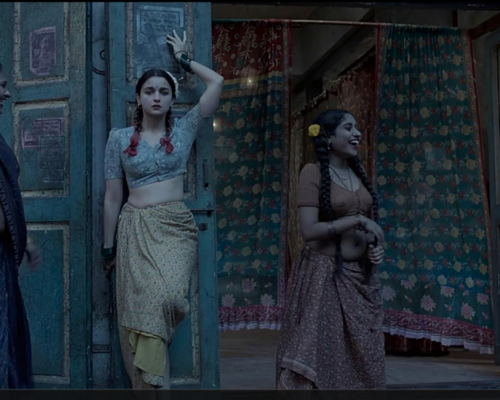
The Song of the Market: Benegal, Bhansali and the Tryst with the Performing Woman
Tracing the obsession of the two filmmakers with the figure of the courtesan, actor, and sex-worker, often rolled into one lonely, headstrong character type Notice the similarity in posture in the poster for Mandi (Benegal, 1983, top photo) and Gangubai Kathiawadi (Bhansali, 2022). What else do you notice? Although the web series Heeramandi was all over our screens in the…

My dear Smita,
It is half a century since you made your debut on the Hindi film screen with Shyam Benegal’s Nishant. And 39 years since you are gone. Was it only 11 years that you worked in film? Why does it feel like you have been here with us ever since? That you see us, and show us what we are and…

Ritwik Ghatak at 100: The Many Re-incarnations of Ritwik in Bollywood
From Subhash Ghai to “Bidhu” Vinod Chopra to Sanjay Leela Bhansali, the unlikely ‘filmi’ students of the Film and Television Institute of India where Ghatak taught for all of two years, keep his legacy alive in unmissable ways. There is also Payal Kapadia, as non-Bollywood as it can get, who mentions his influence on her work The film lovers’ conventional…
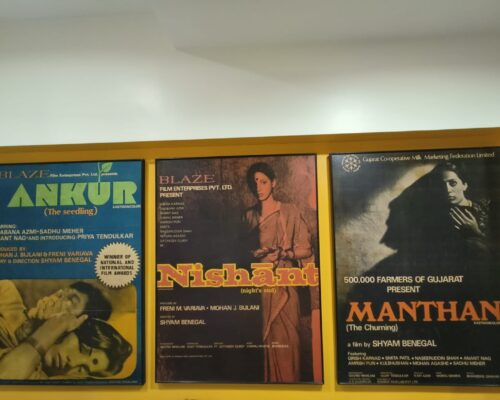
The Seedling That Birthed a Tree of New Storytelling
50 years of Ankur. 50 years of Shyam Benegal, the anchor of the New Wave movement in Hindi cinema In that last light of day before it is all gone and the crickets have begun calling, a man hurries through paddy fields swollen with the rain that has fallen all day to a hovel that stands across his sturdy home,…
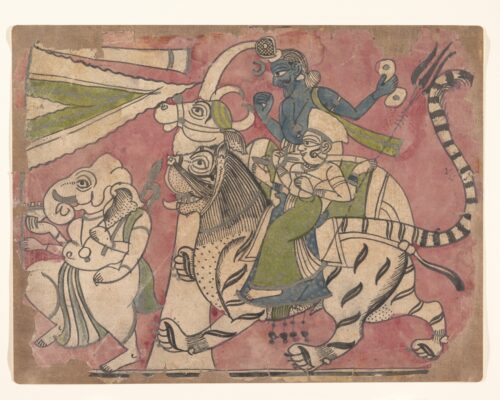
Of our 33 crore gods, only the goddess Shakti can be called a true sports hero
In our two epics, Ram, Lakshman, Arjun are star warriors, but battles are not won on their skill alone. Divine intervention and deception are needed. The story of Durga’s 10-day marathon battle that cemented her place among the top of the gods underlines her strength, willpower and stamina—all the things that count in sport The story about physical exercise that…

Citizen Kumar
Kumar became a part of an awareness campaign to encourage backward-class or Pasmanda Muslims to take advantage of the OBC reservations that were recommended by the Mandal Commission report. This was 1990, and Kumar had been considered a living legend for at least a quarter-century by then
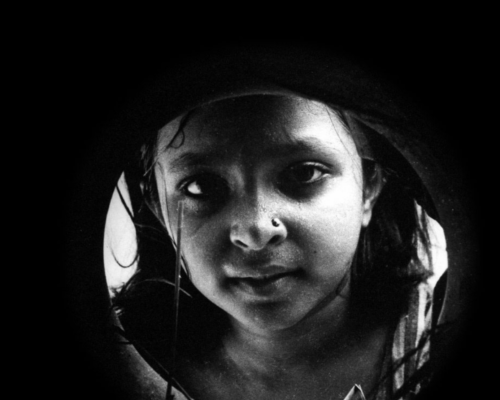
Seeing the World in A Grain of Bengal
Three years after independence from 200 years of British rule, a debutant film-maker who came of age in colonial India started making a film in Bengali about a village in Bengal. Satyajit Ray worked almost entirely in Bengali, building a bridge “between his beloved Bengal and the rest of the world”
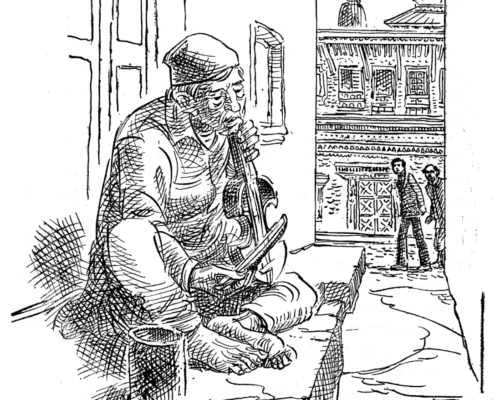
Satyajit Ray and the Case of the Missing Women
Ray’s cinema is known for its magnificent portrayal of the inner lives of women. But Ray the writer, whose legacy of young adult stories in Bengali is even greater than his films, has a pathological absence of women in his books. What might this chronic exclusion amount to in the minds of his fans?
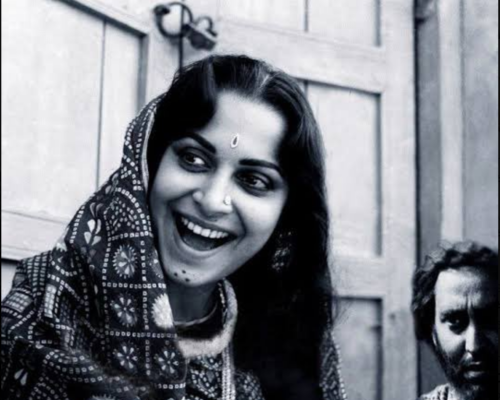
Waheeda Rehman, the Real Outlier
The actor is the first Muslim woman to get the Dadasaheb Phalke Award, startling given the legacy of Muslim women in Hindi film